
Loud and Clear: Electroacoustic Products for Business and Industry
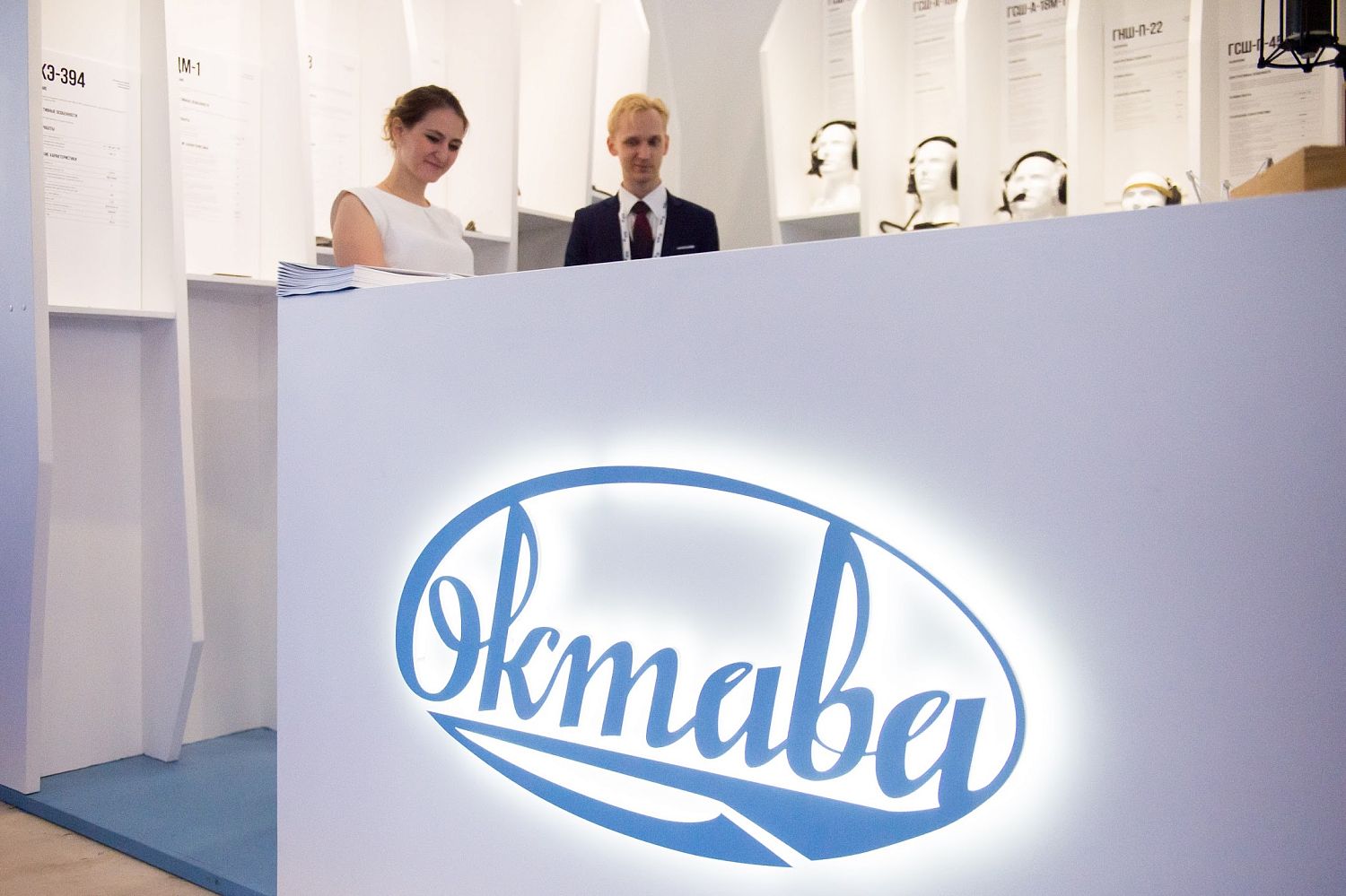
Read below about advanced solutions of Tula-based Oktava plant
Photo: Rostec State Corporation
Rostec’s Oktava plant in Tula is famous all over the world for its microphones, but few people know that the plant’s solutions also improve communication performance in a wide range of industries.
Devices described in the following text are specifically designed for professional applications where high quality sound and sound transmission accuracy are essential.
Telephone + microphone
The GK-3 and GK-4 professional headsets are a significant part of Octava’s product range. The devices have noise-cancelling headphones and a broadband headset to convert voice into digital packets. This function provides cost optimization because the use of the Internet is much cheaper than communications provider services. The headsets are compatible with various operating systems, including Linux, which makes them a flexible solution for call-centers, offices and individual workstations.
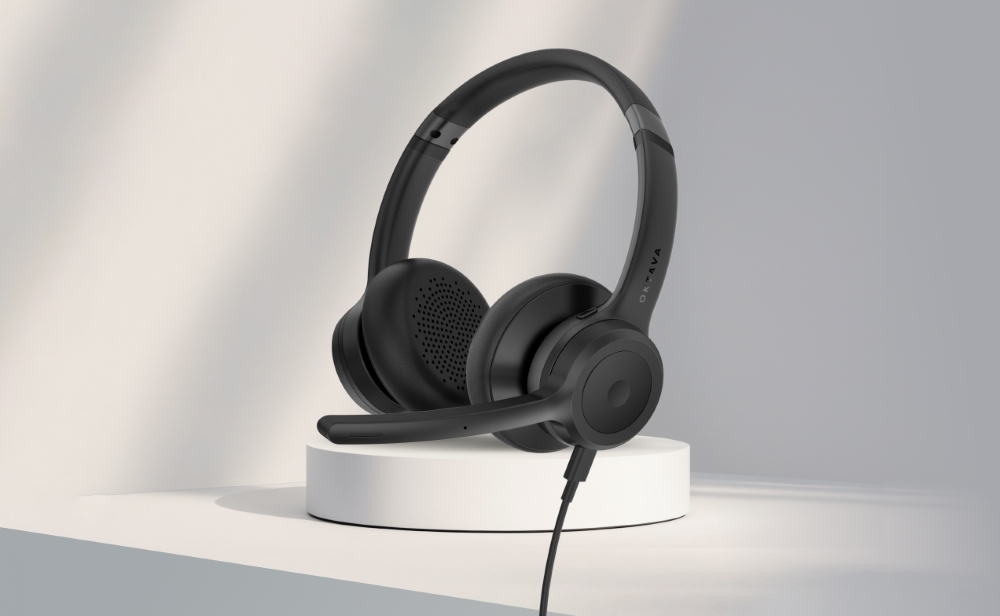
Photo: Oktava
The product range consists of wired and wireless professional mono and stereo headsets. Due to Bluetooth 5.2 support, large data sets may be sent without loss of sound quality even at significant distances and with minimum delay. Nominal frequency ranges of the microphone and telephone are 100 Hz to 10000 Hz and 20 Hz to 20000 Hz, respectively. Microphone sensitivity is 42 dB. The Octava wireless headsets offer talk time of up to 30 hours without recharging.
On speaker
Another interesting product is the KDS-1 dispatch communications system designed for using a speakerphone in various acoustic environments. The device is used by banks, airports and other organizations to transmit voice through sound-proof and other walls, and in poor hearing conditions.
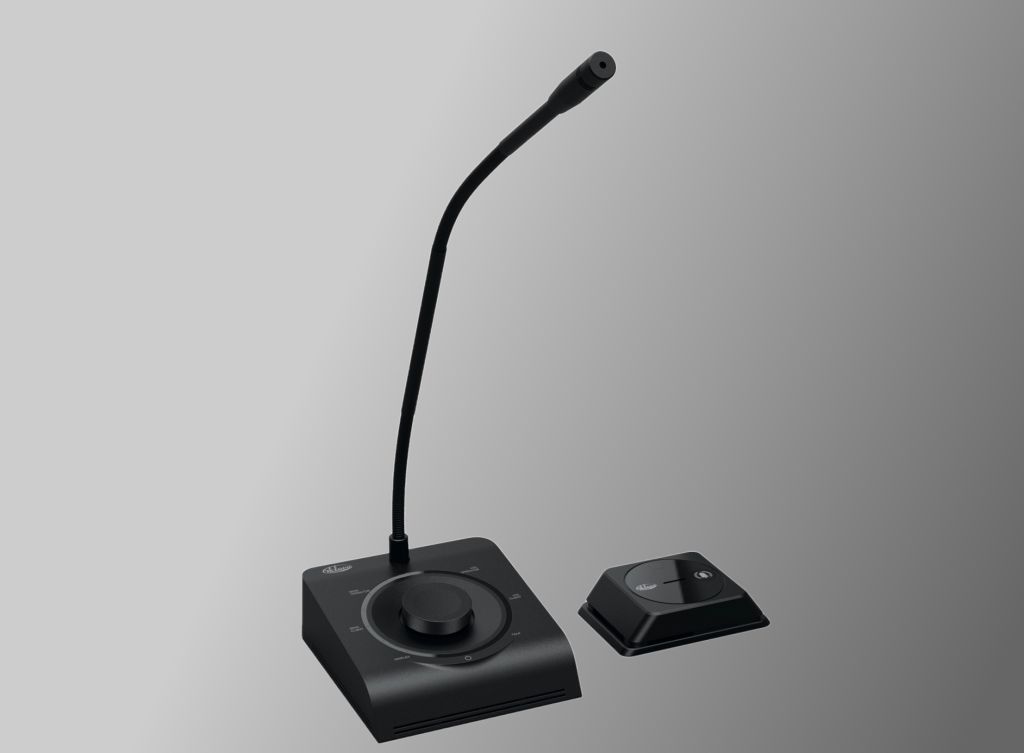
Photo: Oktava
The model consists of a client unit and operator unit. The client unit has a tamper resistant steel housing. The device has volume controls and operation LEDs. Provisions are made for connecting an external headset and recorder. The system can be activated automatically from an incoming audio signal.
Speaking tete-а-tete
Other Octava’s solutions include the MKE-230-2 bidirectional microphone designed for recording dialogs between a client and operator. This microphone has a frequency range from 40 Hz to 10,000 Hz and two independent recording channels to record each of the voices separately. Data transmission is provided via the USB interface.
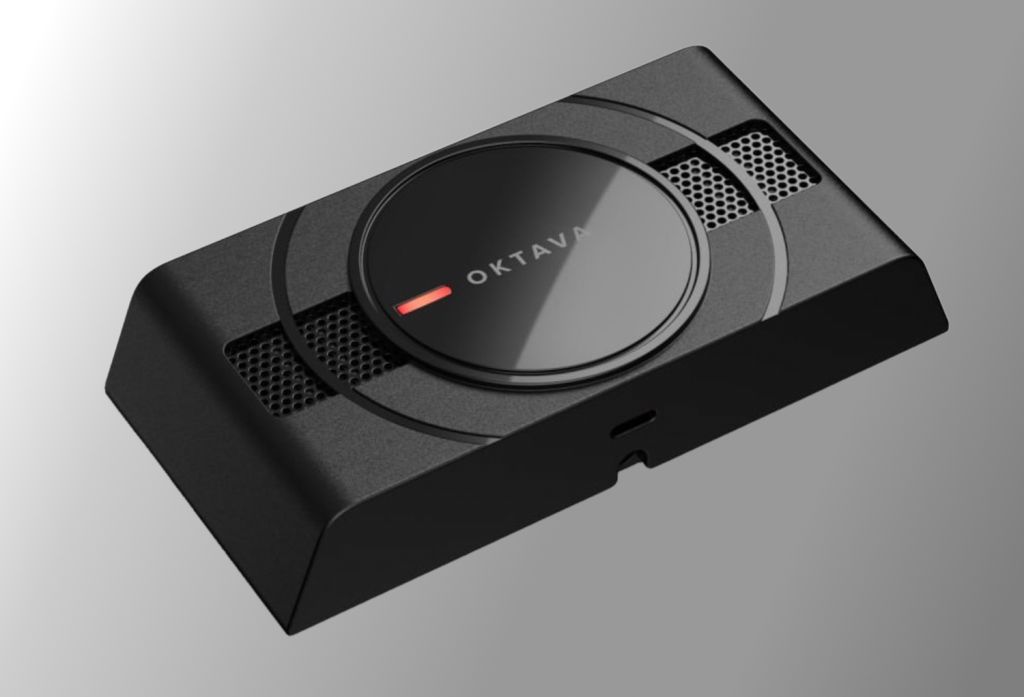
Photo: Oktava
The device uses two controlled modes: Bidirectional Microphone and Noise-Cancelling, making it indispensable in noisy areas such as transport hubs, shops or bank cash offices.
Smart badge
One of new Octava’s focus areas includes audio badges — innovative devices designed to record and review communication between the personnel and clients. They are a digital equivalent of a traditional badge that has an audio recording function and display unit to show the company name, employee’s name and position. Then the audio records may be interpreted and reviewed using software.
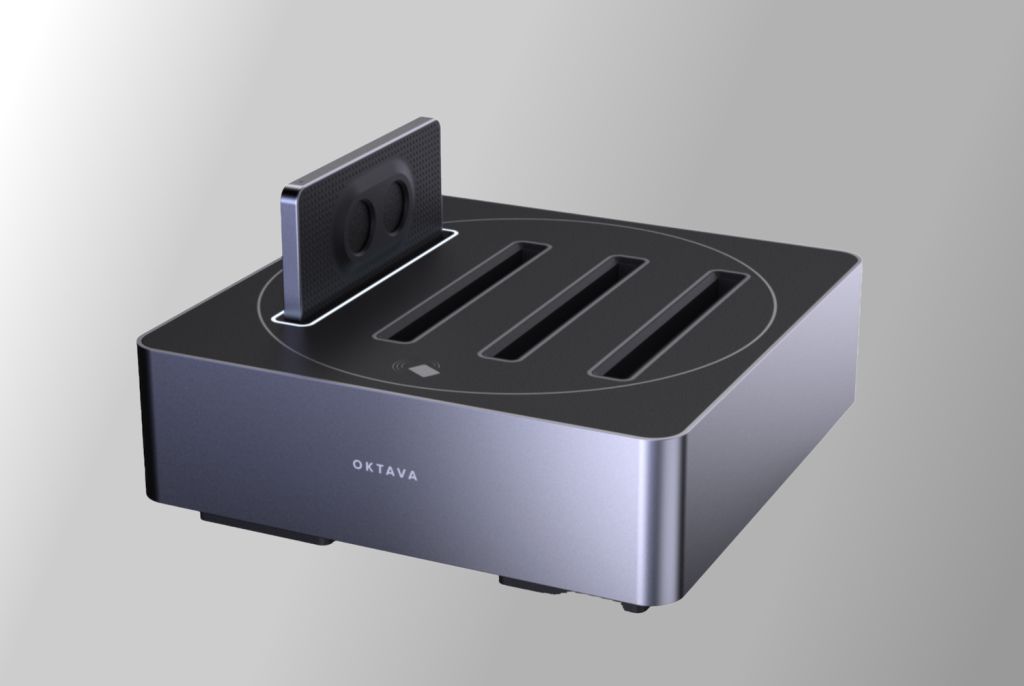
Photo: Oktava
The AB-101 single-place cradle (charging and data transmission station) and AB-400 four-place cradle devices are used to display data and record conversations to the internal flash memory. Battery life is up to 18 hours. The badges have the Ethernet and Wi-Fi interfaces for data transmission to the server. The equipment is configured using a proprietary web interface. A 128 GB internal hard disk drive is used to store large volumes of data. The products have a docking station — for one or four badges, respectively. A Linux-based system control center has been developed for remote monitoring and control of the badges.