
Made in Rostec: Medical Sterilizer
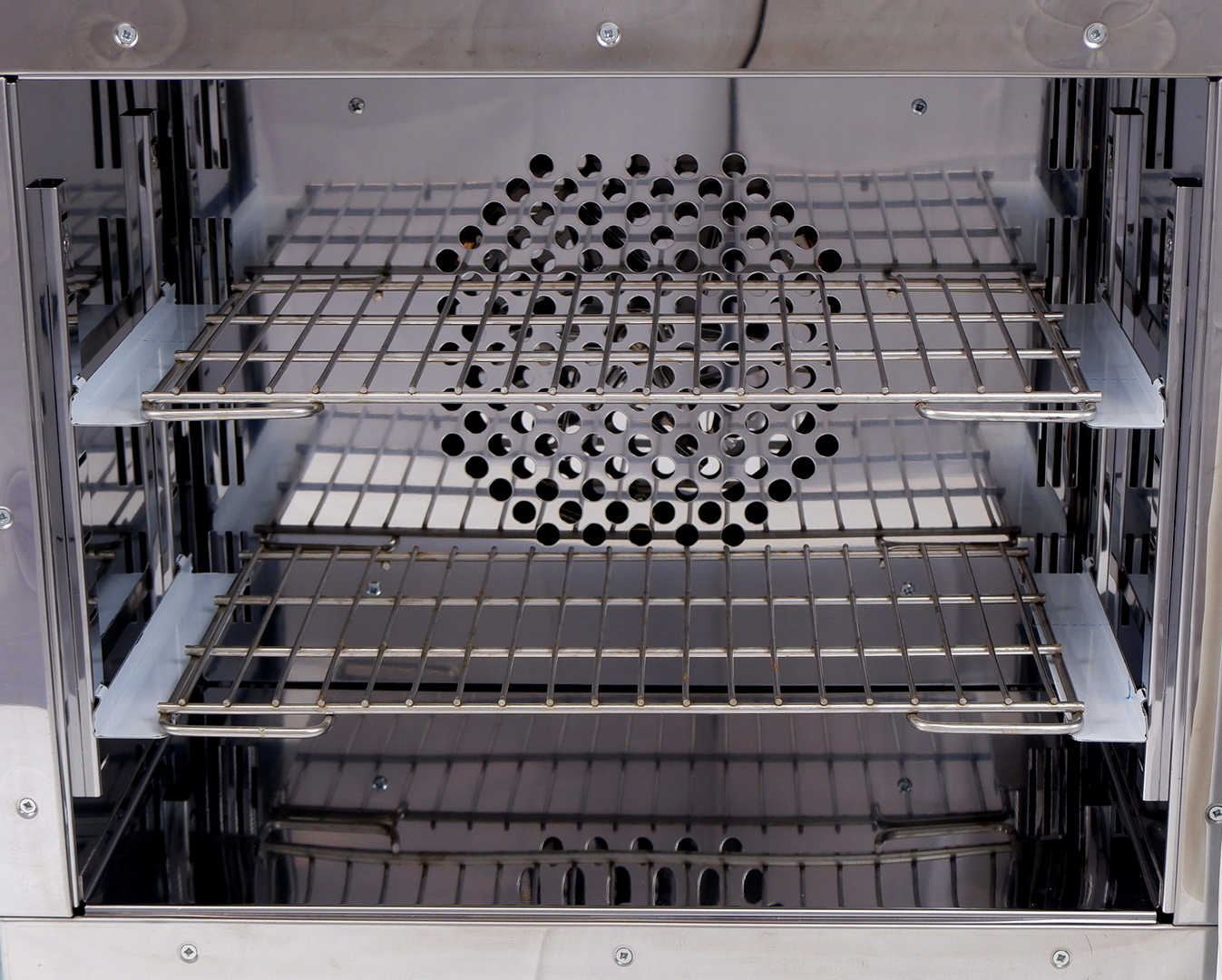
Read below about the history of sterilization and the configuration of modern sterilizers
Photo: Kasimov Instrument Plant
Medicine has come a centuries-long way towards sterilization of medical instruments. Due to the introduction of steam treatment of instruments and other treatment methods, mortality from various kinds of medical interventions has been reduced considerably.
These days, medical community most often uses thermal sterilization methods. Steam and air sterilizers — devices designed for decontamination of medical supplies and instruments by steam or hot air — are used for this. These devices are produced by Kasimov Instrument Factory that celebrated its 60th anniversary on the 8th of September.
Read below about the history of sterilization and the configuration of modern sterilizers.
Cleanliness is next to godliness
Ingress of bacteria into the body is the main cause of complications and even postoperative death. And though they had been known since as early as the 17th century, it was only Louis Pasteur in the middle of the 19th century who could provide scientific evidence that microorganisms were responsible for deceases. Results of his research were used in practical surgery by British surgeon Joseph Lister in 1867. His method for sterilizing instruments and wounds using carbolic acid produced an amazing effect and was adopted in other countries.
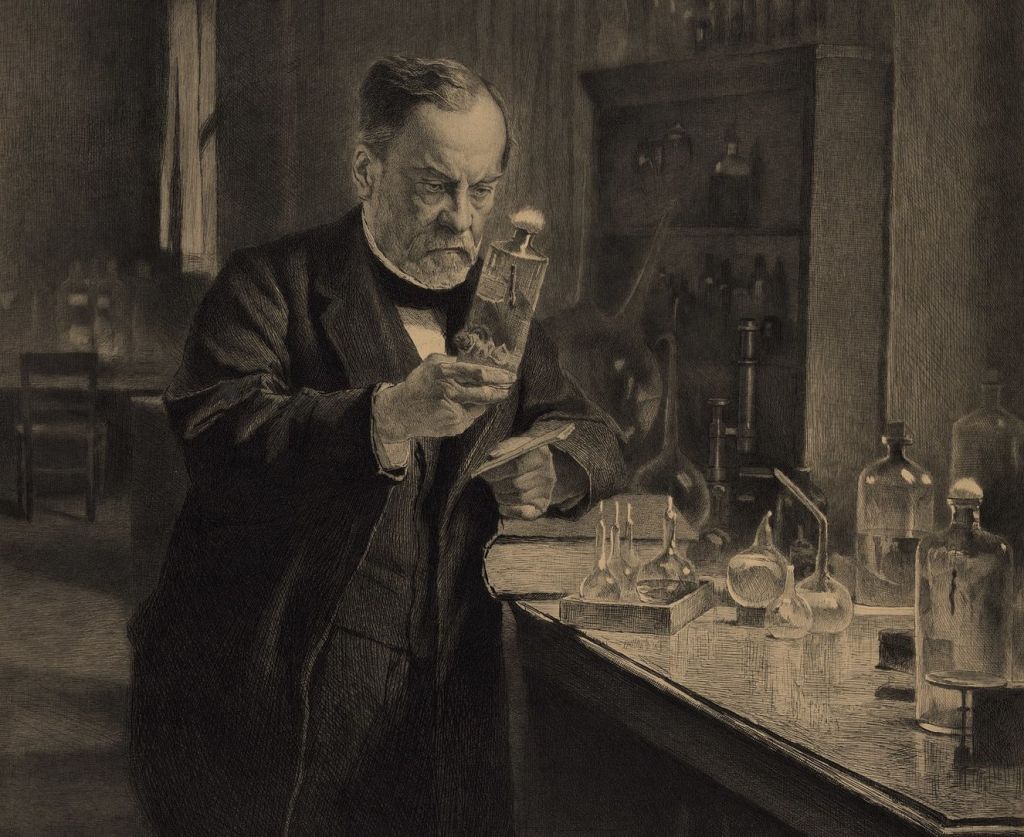
In 1890, the main concept of asepsis was announced during the medical congress in Berlin: «All items coming into contact with a wound shall be germ-free», i.e. sterile. Modern medical sterilization takes its rise from here. Sterilization principles and procedures were established during the next years and are still used now being continuously improved and developed.
Bath for instruments
Nowadays reusable medical devices are sterilized in healthcare facilities after each use. Sterilization may be performed by various methods depending on the material of an item to be sterilized and resistance to different treatment techniques. Steam and air sterilization methods are the most widely used ones.
Since the end of the 19th century, steam sterilization — hot steam treatment — has been performed through autoclaving. An autoclave is a machine invented by French physicist Denis Papin in 1679 that has a similar operating principle to a kitchen pressure cooker and is used for pressure treatment of medical instruments. Due to pressurization, the sterilization process is intensified and the steam temperature, unlike that of water, may rise above +100 °C. At a temperature from +120 °C to +130 °C and a pressure of about 2 atm, the autoclave needs just a few seconds to kill most of microorganisms, however, the choice of operating conditions depends on the features of items to be sterilized.
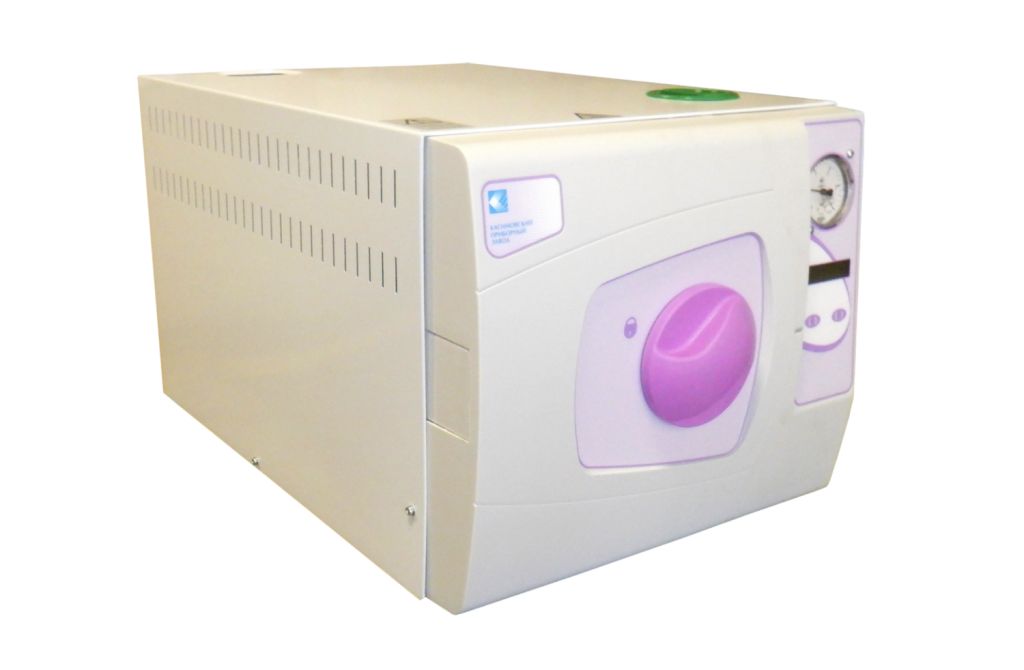
Photo: Kasimov Instrument Plant
Steam sterilizers have top load and front load options and a volume from 10-25 L for small desktop versions to 100-120 L for stationary machines. The Gka-25 PZ steam sterilizer is one of the popular products made by Kasimov Instrument Factory (included in Rostec’s Concern Radio-Electronic Technologies). Effective volume of its chamber is almost 25 L. The sterilizer may be used not only at medical facilities, but also at beauty salons where sterile instruments are also necessary.
Make it hot for germs
The second widely used type is an air sterilizer that is also known as a hot air oven. This is one the simplest and cheapest devices for treatment of medical instruments.
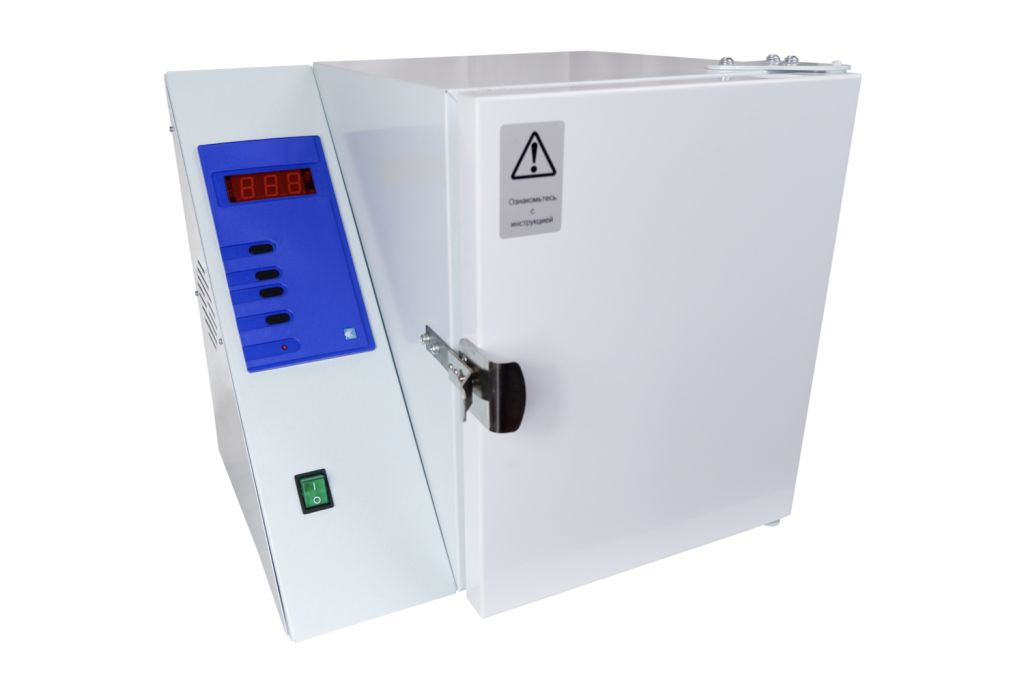
Photo: Kasimov Instrument Plant
In contrast to the autoclave, air sterilizer temperature is usually higher (160-180 °C), therefore there are restrictions on treatment of some materials such as rubber, textile, etc. Moreover, hot air ovens are much cheaper. Rostec produces air sterilizers from 10 L to 640 L in volume. The GP-10 MO with an effective volume of 10 L is the most affordable product. Its dimensions will be suitable even for the smallest beauty salon.
Russian sterilizers have undeniable advantages over foreign devices — favorable prices, more affordable and prompt maintenance service, repair and replacement of defective parts, and full compliance with the national standards. Kasimov Instrument Factory with more than 30 years of experience in the manufacture of medical devices has a high level of expertise in this area and is ready for new challenges.