
The Best of Its Kind
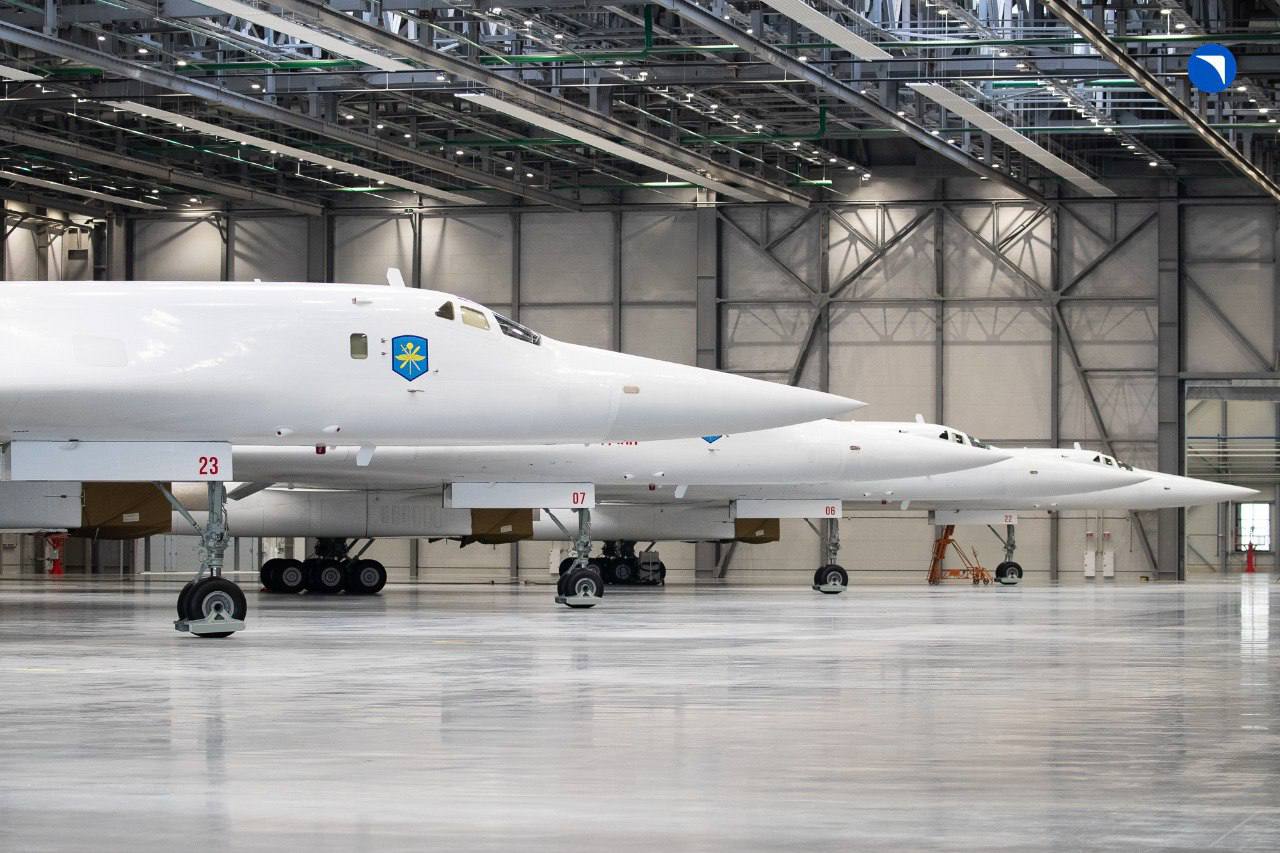
To the 110th anniversary of long-range Air Force of the Russian Federation — read below about three renowned heavy bombers
Photo: United Aircraft Corporation, Press Service of the President of the Russian Federation
This year marks the 110th anniversary of the founding of the long-range Air Force. The holiday established in 1999 dates back to 23 December 1914 when emperor Nicholas II ordered to form the first squadron of the Ilya Muromets multi-engine bombers — the world’s largest aircraft at that time.
Winged “Bogatyr”
The aircraft named after Ilya Muromets, a hero (bogatyr) of Russian epic folklore, was designed by the aircraft department under the direction of Igor Sikorsky at the Russo-Baltic Wagon Factory in 1913.
The first Ilya Muromets had a weight of almost 5 tons, wing span of 31 meters, payload of 1,290 kg and maximum flight altitude of 3,000 meters. The cabin had a bedroom and toilet, exhaust gases were used for heating and electric lighting was provided by wind generators.
The Ilya Muromets E. Photo: Internet museum of Russian aviation «Авиару.рф»
With the beginning of World War I, the Ilya Muromets became Russia’s first heavy bomber. These aircraft formed the world’s first air force bomber squadron that successfully carried out missions, including reconnaissance. A total of 70 aircraft of this kind were built, and most of them were used in combat. In Soviet Russia, the Ilya Muromets was used in military operations for some time and then in mail and passenger aviation.
The Ilya Muromets became a prototype for all future heavy aircraft not only in Russia, but worldwide. Modern strategic bombers, airlifters and passenger airliners have origins in this Russian «bogatyr».
«Flying Fortress»
Soviet Union was the world’s leader in the number of heavy bombers in the early 1930s. However, the days of slow bombers had gone and the country needed new aircraft.
The Tb-7(future Pe-8) project was started in 1934 and the aircraft made its first flight in December 1936. At the time of creation, the TB-7 was one of the world’s largest, fast-speed and high-altitude aircraft. With its service ceiling of 10,300 m and range of 3,600 km, it overpassed famous aircraft such as the B-17, Halifax or Fw 200.
Photo: Internet museum of Russian aviation «Авиару.рф»
During World War II, the Pe-8 significantly contributed to the Battle of Kursk and made its most important secret flight in June 1942 when it delivered Vyacheslav Molotov to London and the USA. President of the United States Franklin Roosevelt admired the proficiency of the Soviet pilots and personally congratulated the crew members.
In postwar years, the Pe-8 was used for Arctic expeditions by delivering food and fuel to stations.
Next-Generation Strategist
The Tu-160 designed in the 1970s is still a unique combat aircraft unparalleled anywhere in the world. This is the heaviest combat aircraft and largest supersonic aircraft in the history of air force and the first swing-wing aircraft. Pilots called it a White Swan for its graceful lines.
The Tu-160 project was started in the late 1960s against the background of nuclear confrontation between the USSR and USA. The aircraft featured multi-role and intercontinental flight capabilities.
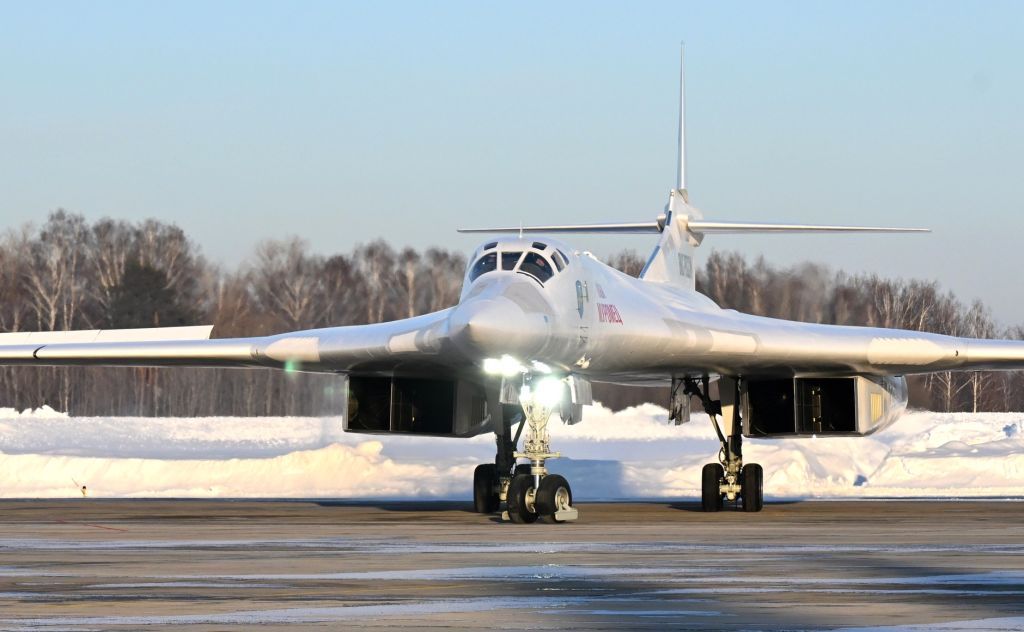
Photo: United Aircraft Corporation, Press Service of the President of the Russian Federation
Airframe/swing wing integration offering higher versatility is the key feature of the Tu-160. With outspread wings, it can take off from short runways and gains supersonic speeds with wings shifted to the fuselage.
Revival of production of the Tu-160 at United Aircraft Corporation facilities in 2015 was the major aircraft production modernization program in modern Russia. The first upgraded Tu-160M strategic bomber, in which 80% of the systems and equipment had been renewed, flew in 2022. The Tu-160M is currently the main aircraft of Russia’s long-range Air Force that forms a part of the national nuclear triad.