
Winged Tankers
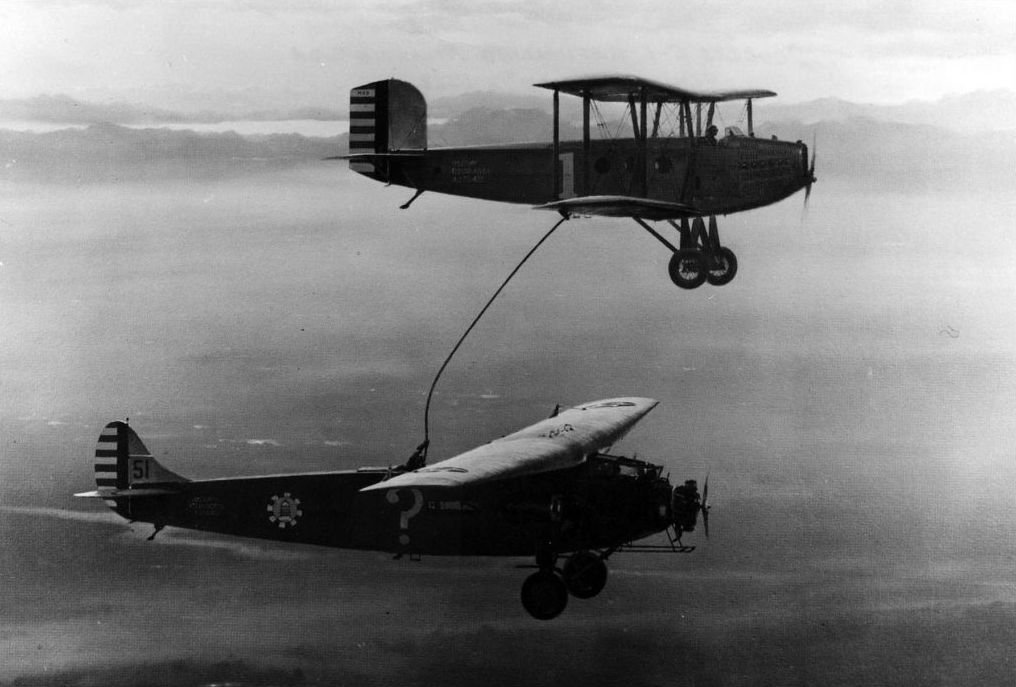
About in-flight refueling methods
Photo: USAF Museum / wikimedia.org
In-flight refueling significantly increases the mission radius of almost all types and elements of aviation and is a necessary and essential component of both warfare and pilot proficiency training.
Various in-flight refueling methods were used in aviation over years. Different types of aircraft were used as tankers. Read below about the evolution of domestic in-flight refueling systems, what kind of aircraft were used for this, how it works now, and about winged tanker prospects.
How in-flight refueling got started
Rapid development of air force was followed not only by air speed, ceiling and payload growth. The scope of tasks was continuously extended and, to fulfill many of them, the winged vehicles required increased flight range and airborne time. The two important parameters directly depended on the amount of fuel on board.
The first ‘refueling’ attempts were made as early as in 1912. This was a primitive and quite hazardous method because refueling initially looked like just transferring gasoline cans from one airplane to the other. However, successful refueling via a hose extended between the airplanes was tested as early as in the 1920s. Fuel flowed by gravity. The tanker aircraft was above the receiving aircraft, and the fuel supply hose was to be caught manually and inserted into the filler. This was how in-flight refueling looked like in the USA, and Americans were the pioneers in this field.
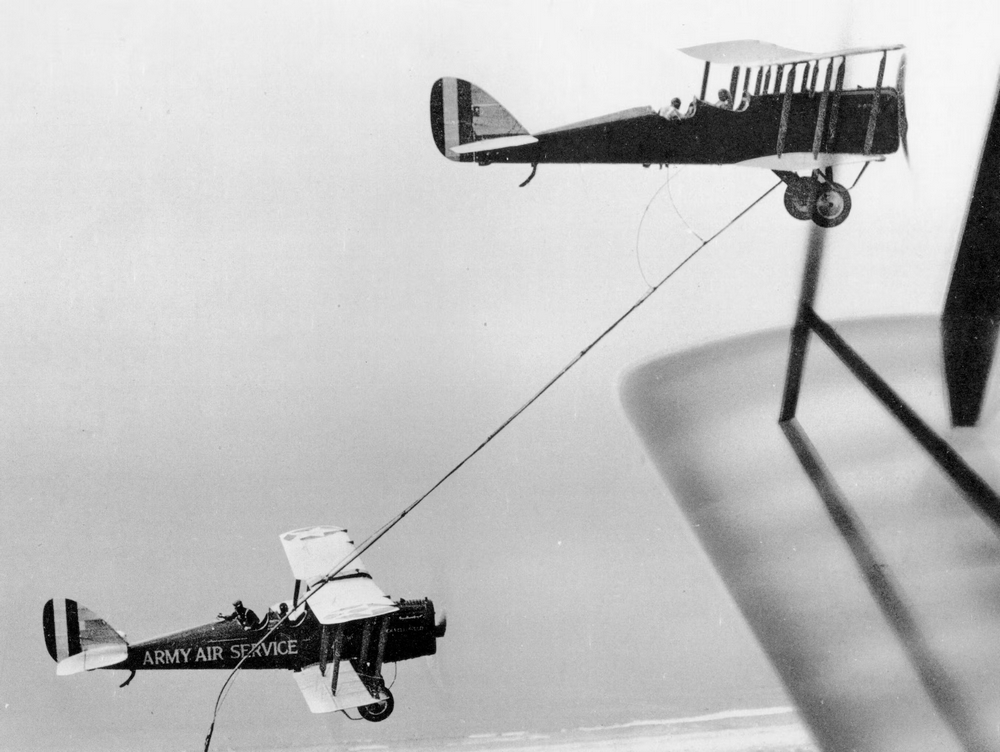
Photo: U.S. Air Force / wikipedia.org
Experiments with in-flight refueling were started in France and Great Britain in the late 1920s — early 1930s. Thus, refueling between two Vickers Virginia airplanes using a hose with a safety valve was first demonstrated in 1931. These were the very first steps that were still very imperfect and dangerous.
First in-flight refueling efforts in Russia
Efforts in this area were also made in the Soviet Union. A tanker aircraft was developed on the basis of the R-5 multirole aircraft under the direction of pilot Pyotr Grokhovsky in the early 1930s. The refueling system functioned as follows. Addition fuel tanks and a hand winch with hose were installed on board the R-5. A four kilogram weight was placed on the hose end. The TB-1 bomber was used as a receiving aircraft.
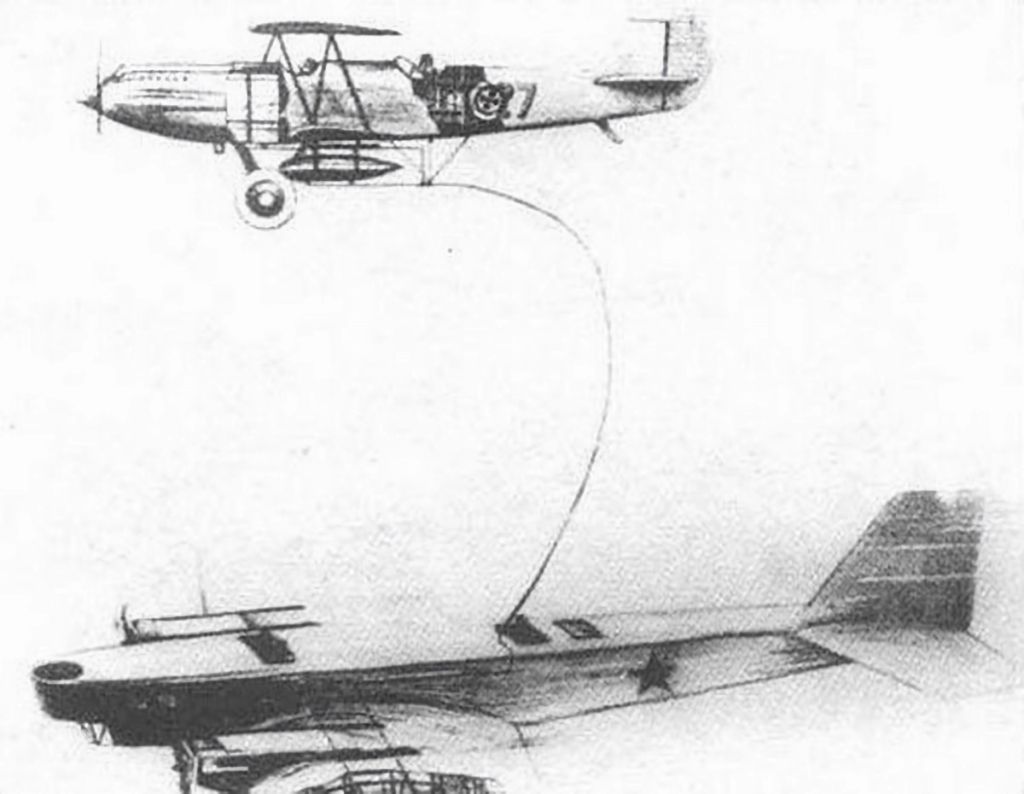
Photo: Internet Museum of Russian Aviation «Авиару.рф»
Cockpits of both aircraft were open, which simplified the fuel hose transfer/acceptance task. A flight engineer in the TB-1’s second cockpit was to catch the weight by hand and insert the hose into the filler, then fuel started flowing to the aircraft. The fuel flowed by gravity, therefore the R-5 had to fly above the receiving TB-1.
Viability of the very idea of in-flight refueling was confirmed during testing. Encouraging results were achieved: during one of the flights, the receiving TB-1 flew for 25 hours.
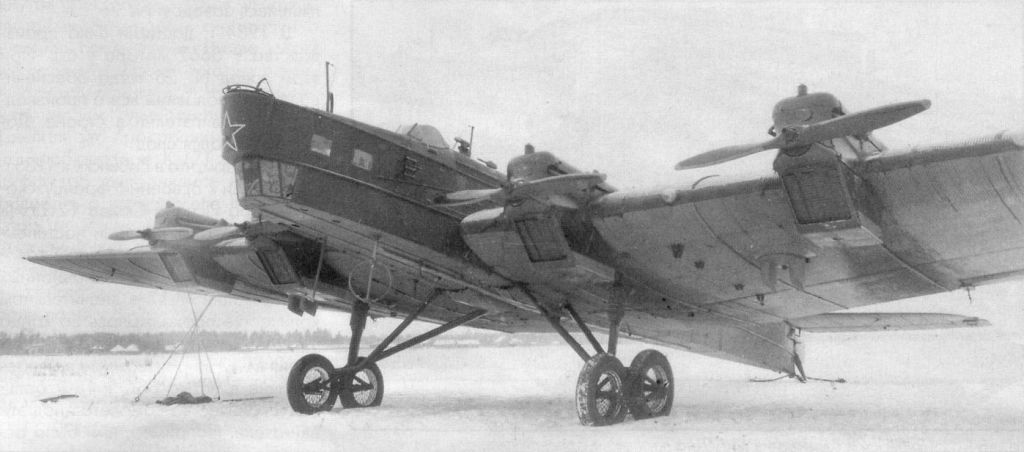
Photo: Internet Museum of Russian Aviation «Авиару.рф»
Further research on in-flight refueling was interrupted by World War II. In-flight refueling systems created before the war were not widely used not only in the Soviet Union, but also in other countries.
Thus, the first stage in the creation and development of in-flight refueling system was completed. An age of jet aviation was arriving that together with technological advances set new goals and opened up new opportunities for aviation.
To be continued...